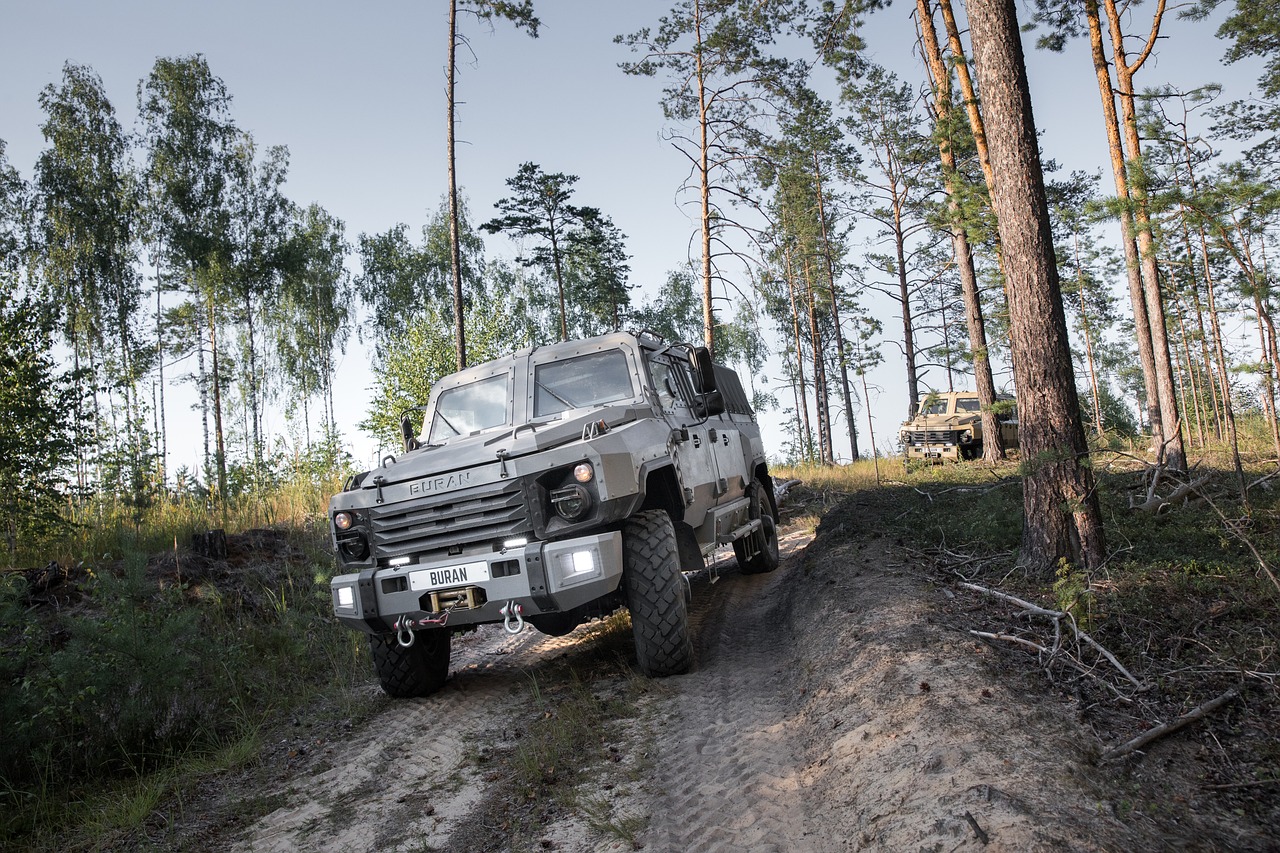
When it comes to navigating challenging terrains in your 4×4 vehicle, reliable repairs and maintenance are crucial. In McAllen, Texas, drivers rely on expert mechanics to ensure their off-road vehicles are in top condition. This article delves into the intricacies of 4×4 repair, specifically focusing on one of the most critical components: brake pads. Understanding brake pad maintenance is essential for safe and efficient 4×4 driving in McAllen and beyond.
Introduction to 4×4 Brake Pads
Brake pads are a vital part of your 4×4 vehicle’s braking system, playing a significant role in slowing and stopping your vehicle during everyday driving and off-road adventures. These pads are components within the disc brake system, which is common on 4x4s due to its superior stopping power and heat dissipation capabilities compared to drum brakes.
In McAllen’s diverse terrain, where roads can range from urban highways to rugged trails, having well-maintained brake pads is not just a recommendation but a necessity for safety. This article will guide you through the process of 4×4 repair, emphasizing the importance of brake pad replacement, and provide valuable insights for drivers in this region.
When to Replace Brake Pads: Understanding Wear and Tear
Knowing when to replace your 4×4’s brake pads is crucial for maintaining optimal braking performance. Brake pads experience wear and tear over time due to several factors:
- Driving Frequency and Style: Regular, aggressive driving can accelerate pad wear. Off-road enthusiasts who frequently take their vehicles on strenuous trails should expect to replace pads more often.
- Environmental Conditions: Extreme temperatures, especially heat, can cause the pads to degrade faster. McAllen’s hot climate contributes to this process.
- Vehicle Weight and Load: Heavier 4x4s or those carrying significant loads may require more frequent pad replacements due to increased braking demands.
- Maintenance History: Proper maintenance, including regular inspections, can extend brake pad life. Neglecting routine checks might lead to unexpected failures.
As a general rule, inspect your brake pads every 5000 to 10,000 miles and replace them when they reach 20% to 30% of their original thickness. Some high-performance pads may even last longer under ideal conditions.
The Process of 4×4 Brake Pad Replacement
Performing brake pad replacement on a 4×4 in McAllen involves several steps, requiring both mechanical skill and the right tools. Here’s an overview for those considering DIY options or planning to hire professionals:
1. Safety First: Preparing Your Vehicle
Before starting any repair, ensure your vehicle is safely secured and supported. Jack up the 4×4 and place sturdy jack stands under it to prevent sudden drops. Engage the parking brake and chock wheels that are not being worked on for added safety.
2. Identifying Brake Pads: Location and Types
Locate the brake pads, which are typically found within the brake calipers. Modern 4x4s often have two sets of pads per caliper, with one set acting as a backup in case of failure. Familiarize yourself with your vehicle’s design to identify the pads easily.
There are various types of brake pads available, each offering unique performance characteristics:
- Organic Pads: These are commonly used and offer good initial bite and noise reduction but may fade faster under high-temperature conditions.
- Semi-Metallic Pads: Balancing organic pads’ low dust levels with metallic pads’ superior heat resistance, these are a popular choice for 4x4s.
- Metal Pads: Designed for severe off-road use, metal pads can handle extreme temperatures and rugged terrain but may produce more noise and have higher dust emission.
3. Removing Old Pads: A Step-by-Step Guide
Removing the old brake pads involves several steps:
- Dismantling Calipers (if necessary): Some calipers are designed for easy pad replacement, while others may require special tools and knowledge to remove without damage.
- Separating Pads: Use a suitable tool to pry out the old pads from the caliper. Be careful not to apply excessive force, as it might deform the caliper or damage nearby components.
- Cleaning Calipers: Ensure the caliper assembly is clean and free of debris. Any residue could affect new pad performance.
- Checking Other Components: Inspect the brake rotors for signs of wear, cracks, or corrosion. Replace them if needed to maintain proper braking efficiency.
4. Installing New Pads: A Simple Guide
Installing new brake pads is a straightforward process but requires attention to detail:
- Positioning Pads: Ensure the new pads are correctly aligned within the calipers. Follow the vehicle manufacturer’s specifications for proper fitment.
- Securely Fastening Calipers: Tighten caliper bolts or pins securely, adhering to the recommended torque specifications provided by the vehicle manufacturer.
- Bleeding Brakes (if necessary): If your 4×4 has a hydraulic braking system, you may need to bleed the brakes after pad replacement to ensure proper fluid levels and remove any air bubbles.
Common Issues with Brake Pads and Troubleshooting
Understanding potential problems with brake pads can help drivers in McAllen make informed decisions regarding repair and maintenance:
- Squealing or Grinding Sounds: These noises often indicate worn-out pads. Inspect the pads for excessive wear or damage, especially if they are thin or warped.
- Vibrations During Braking: Uneven pad wear can cause vibrations. This issue may require further investigation to identify and address any underlying problems with caliper mounting or rotor condition.
- Pulling to One Side When Braking: If your 4×4 pulls to one side when applying the brakes, it could be an indication of worn or misaligned pads or rotors. Have a qualified mechanic inspect the system immediately.
- Low Brake Fluid: Regularly check brake fluid levels and top them up as needed. Low fluid can lead to reduced braking performance, especially in extreme conditions.
4×4 Repair Tips for Optimal Brake Pad Life
To maximize the lifespan of your 4×4’s brake pads and ensure safe driving, consider these maintenance tips:
- Regular Inspection: Schedule routine brake inspections as part of your 4×4’s regular service schedule. This practice allows for early detection of pad wear or other issues.
- Maintain Proper Fluid Levels: Keep an eye on brake fluid levels and top them up to the recommended mark. Contaminated or low fluid can affect braking performance.
- Avoid Extreme Braking: Aggressive braking, especially during off-road adventures, accelerates pad wear. Smooth and controlled braking techniques extend pad life.
- Monitor Vehicle Load: Be mindful of the weight you’re carrying in your 4×4. Overloading can increase braking demands, leading to faster pad degradation.
- Choose Quality Pads: Invest in high-quality brake pads designed for off-road use. They may cost more but offer better performance and longevity.
Frequently Asked Questions (FAQs)
Q: How often should I replace my 4×4’s brake pads?
A: It depends on various factors, including driving frequency, environmental conditions, and vehicle weight. As a general guideline, inspect your pads every 5000 to 10,000 miles and plan for replacement when they reach 20% to 30% of their original thickness.
Q: Can I replace brake pads myself?
A: Yes, many drivers successfully perform this task as a DIY project. However, if you’re unsure or lack experience, it’s best to seek professional help from a trusted McAllen mechanic specializing in 4×4 repairs.
Q: What are the signs of bad brake pads?
A: Worn-out pads may produce squealing or grinding noises during braking. Pulling your vehicle to one side when braking, low brake fluid levels, and unusual vibrations are also indicators of potential pad issues.
Q: How do I know if I need new brake rotors too?
A: Inspect the rotors for signs of wear, corrosion, cracks, or warping. If they appear damaged or have excessive thickness variations, replacing them along with the pads is recommended for optimal braking performance.
Q: Can I use regular brakes pads in my 4×4 off-road?
A: While regular brake pads can be used for everyday driving, they may not handle the demanding conditions of off-roading effectively. Consider high-performance or off-road-specific pads designed to withstand heat and rugged terrain for safer off-road adventures.
Conclusion: Prioritizing 4×4 Brake Pad Maintenance in McAllen
In the diverse terrain surrounding McAllen, Texas, reliable 4×4 repairs are essential for safety and enjoyment. This article has delved into the critical aspect of brake pad maintenance, providing valuable insights for drivers seeking to optimize their vehicle’s performance. Regular inspection, prompt replacement when needed, and adopting best practices for pad care will ensure your 4×4’s braking system remains in top condition.
Remember, whether performing routine maintenance or facing unexpected brake issues, consulting with experienced McAllen mechanics who specialize in 4×4 repairs is always a wise choice. With their expertise, you can confidently navigate any terrain while ensuring the safety of yourself and your passengers.